


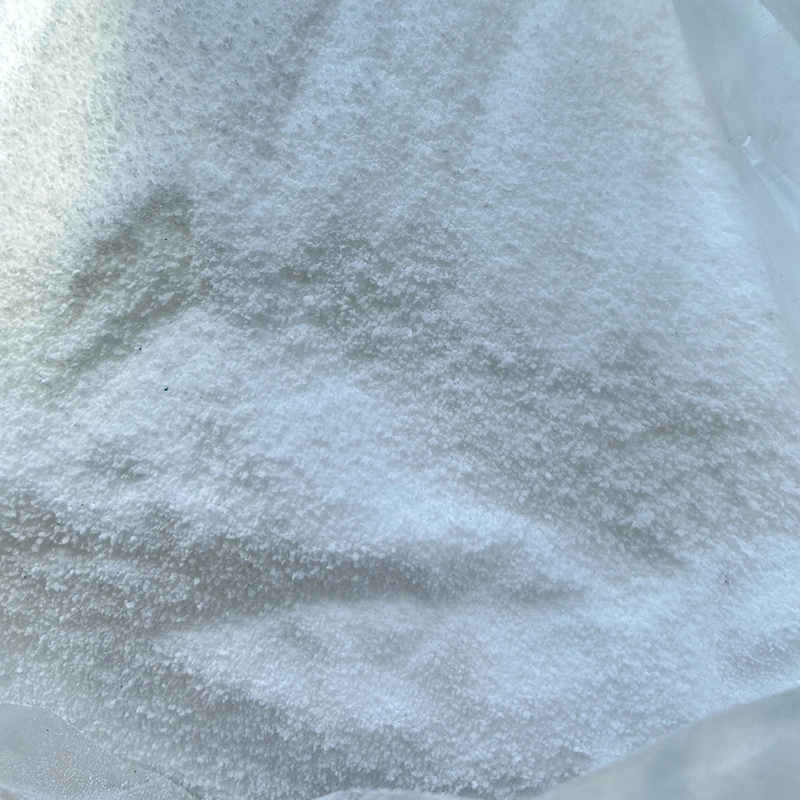
Dry-process SBS
● Economic Advantages: By eliminating the production and transportation of finished SBS modified asphalt, significant savings are achieved in factory construction, labor, materials, fuel, and equipment purchase costs.
Industry Background
"Witnessing the Bizarre Status Quo of Modified Asphalt Over the Past Twenty Years" Reflects the Pain Points of the Modified Asphalt Industry
Due to its excellent comprehensive performance, SBS modified asphalt has become the main type of modified asphalt used in road engineering (accounting for over 90%), supporting the rapid development of transportation in my country over the past 20 years, represented by highways. However, it also has insurmountable technical defects and management problems. When an industry mainly relies on low-quality, low-price competition, seriously harming user interests and the health of the industry, it is inevitable that more advanced technologies and entirely new industrial models will be needed to replace it and revolutionize it!
Product Display
Solution
"Mix and Modify"—Dry-Process SBS Redefines Asphalt Modification. Through extensive cross-disciplinary research, Lierdeton has pioneered the development of a new generation of dry-process SBS modifier. This modifier can be directly applied to asphalt mixing plants, rapidly melting within 1 minute of mixing to directly produce SBS-modified asphalt mixtures. This completely overturns the wet-process system, which has relied on pre-blending asphalt and SBS modifiers for over 40 years globally.
It avoids performance degradation caused by segregation and thermal decomposition, solving the problem of difficult user supervision of base asphalt and SBS modifiers from the source, and achieving "zero-carbon" reduction in the wet-process modified asphalt production process.
Technical Advantages
Simple, High-Quality, Transparent, Environmentally Friendly, and Economical – Dry SBS Modification Shows Significant Advantages Compared to Traditional Wet Modification in All Aspects. High-Quality: Dry SBS is stored at room temperature, and the ordinary base asphalt used is heated at a lower temperature, eliminating storage deterioration issues.
The asphalt mixture is paved in its freshest, highest-performance state after mixing and melting of SBS, rather than being passively used due to performance degradation in the wet process. This results in an average improvement of over 30% in road performance, with very stable quality, achieving near consistency between indoor and field technical indicators.
Typical test data for performance testing of dry-process SBS modified technology
Transparency: The quality and dosage of the two key raw materials, base asphalt and modifier, are made transparent. The ultimate quality control guide is the various road performance characteristics of the mixture, rather than the traditional SBS modified asphalt indicators meeting the standards and being handed over.
Environmental protection
The energy consumption of the dry SBS production process is only 2% of that of each stage of the wet modified asphalt process, practicing the concept of green highway construction.
Economic Advantages
By eliminating the production and transportation of finished SBS modified asphalt, significant savings are achieved in factory construction, labor, materials, fuel, and equipment purchase costs. Only a single type of dry-process SBS is required for asphalt modification. Calculations show that, under the same road performance indicators, the cost of dry-process SBS modification technology can be reduced by approximately 5%-10% compared to wet-process SBS modified asphalt technology.
Applicable Scenarios
Beyond general applications, dry-process SBS provides solutions for specific industry needs. Dry-process SBS modification technology breaks away from the premixed modification technology system based on colloid mills that has existed globally for over 40 years. Its versatility is extremely high, applicable to all projects designing and applying modified asphalt, achieving better quality assurance and simplified construction management.
Beyond general applications, warm-mix dry-process modification technology lowers the temperature by 10℃~20℃ compared to traditional modified asphalt. It can be used in tunnels, urban roads, and projects requiring extended construction seasons, such as those in low-temperature seasons and high-altitude areas, achieving warm-mix construction without the need for additional warm-mix additives.
At the same time, the dry process is flexible and user-friendly, allowing users to design different modification effects based on project requirements and dosage, providing a brand-new solution to long-standing industry problems such as premature damage to freight lanes.
+86 133 5816 4686
13358164686@163.com
Contact: COCO
Tel: +86 133 5816 4686
WhatsApp: +86 138 0714 0719
Add:
33 Huayuan Street, Wujin District, Changzhou City, Jiangsu Province